Plastic Pollution: Understanding the Problem and Empowering Change
04 June 2025
Written by Diarmaid Burrows, Psychology Intern at Children's Health Ireland under the supervision of Dr Claire Crowe, Paediatric Clinical Psychologist and member of the PSI Special Interest Group in Addressing the Climate and Environmental Emergency.
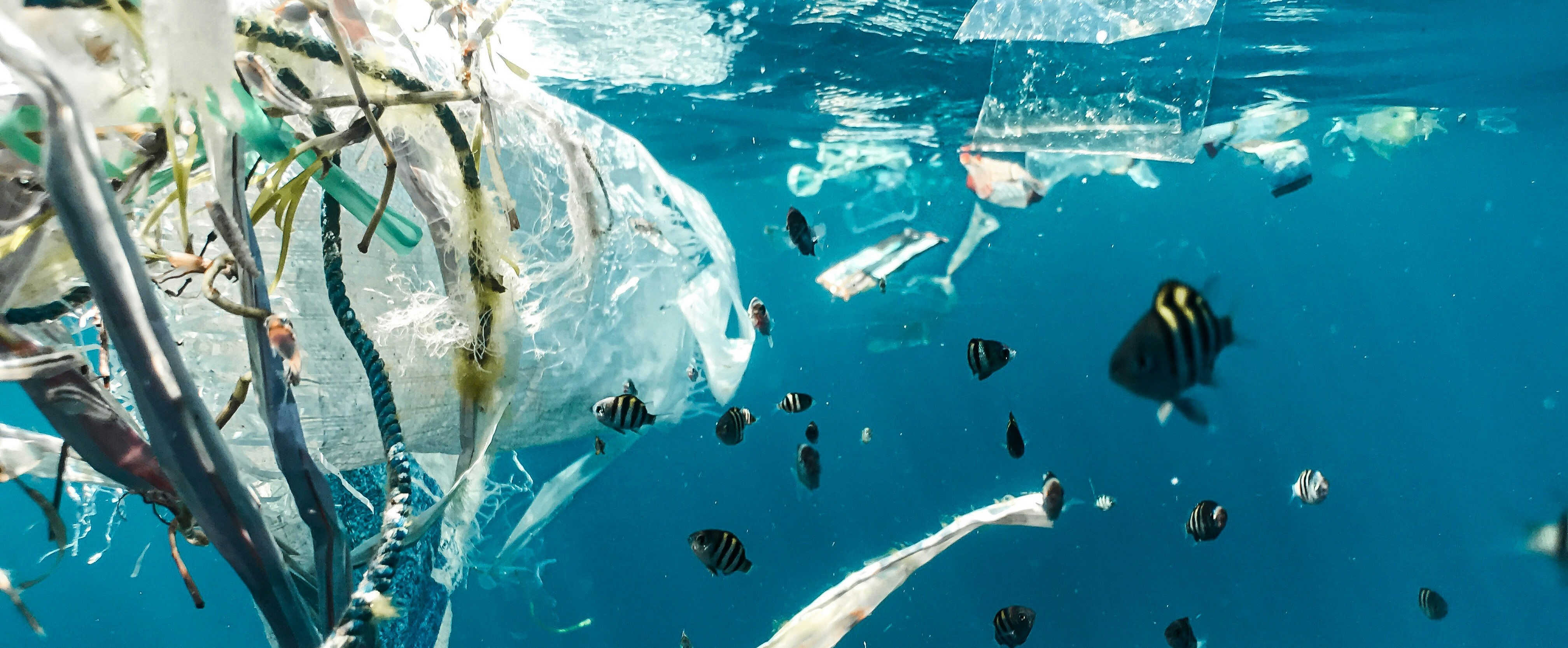
Today, 04 June 2025, is World Environment Day, hosted this year by the Republic of Korea. The theme? One of the most pressing issues of our time: plastic pollution.
Plastic has infiltrated every corner of the planet, harming ecosystems, contaminating food and water, and affecting human health. But, according to the UN Environment Programme, while plastic pollution is severe, there are clear solutions available — making it one of the most solvable environmental challenges we face today.
The Psychological Society of Ireland (PSI) Special Interest Group for Addressing the Climate and the Environmental Emergency (SIGACEE) aims to contribute to this conversation by exploring the psychological factors that influence healthy consumer habits, and how these insights can support meaningful change.
The Global Scope of Plastic Waste
Plastic waste has long been a global issue. Microplastics are transported from land to sea by rivers including the Rhine, Main, and Danube in Europe, leading to plastics such as polyethylene and polystyrene being discovered in our oceans, beaches, drinking water, and even the food we eat. The extent of contamination is alarming. Through ingestion and entanglement, these synthetic materials not only harm aquatic life, but they also endanger human health by entering the food chain. (Sandu et al., 2020)
This crisis impacts both nature and economy, with global environmental and societal costs estimated at $300–600 billion annually (Sandu et al., 2020).
Ireland's Plastic Problem
In 2021 alone, Ireland generated 1.2 million tonnes of packaging waste, almost 30% of which was plastic. With an average of 62 kilograms per person annually, our country is currently the EU's largest producer of plastic packaging waste per capita. We are currently recycling only 28% of our plastic packaging, which is significantly less than the EU average.
A staggering 70% of our plastic waste is incinerated, a practice that impedes sustainability initiatives and exacerbates environmental deterioration. To meet the EU recycling target of 55% by 2030, Ireland must shift from a recycling-first mindset to one focused on waste avoidance and reuse.
Consumer Responsibility – and Limitations
As individuals, we are frequently reminded that we need to be mindful of how many resources we use. This approach should be used whenever there is an opportunity to reduce resource use or avoid generating waste (Byrne, 2023).
The Zero Waste hierarchy reminds us that recycling is not the first step. Instead, we should:
- Refuse what we don’t need
- Reduce consumption
- Reuse and repair
- Recycle, only as a last resort
Encouragingly, according to the EPA's Plastics: Attitudes and Behaviours in Ireland study, 95% of Irish people are worried about plastic, and 64% say they would use refill services if available. However, only 24% regularly avoid plastic packaging. Why the disconnect?
Many cite cost and access as major barriers. In the midst of a cost-of-living crisis, sustainable choices often feel like luxuries. If we want change, systems must support it — with affordable, accessible options.
Easy Ways to Reduce Plastic Waste
- Refuse what you don’t need
- Shop at refill and reuse stores when possible
- Use reusable bottles, coffee cups, and bags
- Take advantage of plastic collection services (e.g., Tesco soft plastics)
- Contact your TD or local councillor to express concern
- Talk to local shop managers about reducing packaging waste
Understanding Psychological Barriers
Why do we struggle to follow through on good intentions? When we understand the psychological pitfalls then we can play to avoid them.
- Hyperbolic Discounting
We favour short-term rewards over long-term benefits. For example, buying bottled water is convenient now, but investing in a reusable flask saves money (and waste) over time.
- Attribution Bias
We tend to shift blame. If we believe plastic pollution is caused by big corporations or other countries, we may feel powerless — and act less. Instead, messaging that emphasises personal relevance and local consequences (e.g., microplastics in Irish rivers or drinking water) is more likely to motivate action and empower individuals.
Gifford’s “Dragons of Inaction”
Psychologist Robert Gifford (2011) identified key psychological barriers to environmental action and how we can overcome them:
- "Change Unnecessary" Mindset
Belief: “My actions don’t matter.”
Solution: Remind people that small actions add up. If everyone in Ireland used a reusable water bottle, we could eliminate millions of single-use bottles weekly.
- Conflicting Goals & Aspirations
Belief: “I want to reduce plastic but it’s inconvenient.”
Solution: Make sustainable options easy and incremental. Start with one weekly swap. Promoting the idea that "imperfect action is better than no action" helps reduce the fear of failure.
- Social Concerns
Belief: “People will judge me.”
Solution: Normalise eco-friendly choices. Encouraging open conversations about sustainability, — paired with compassion rather than judgment — fosters a culture where people feel safe to try new habits.
- Lack of Knowledge
Belief: “I don’t know how.”
Solution: Clear, concise, and localized education is vital — signage, social media tips, visual guides, and community workshops.
- Tokenism
Belief: “It’s the responsibility of big industries, I do enough.”
Solution: Personal responsibility is not the whole solution, but it is a necessary piece of a collective effort. By setting sustainable goals and holding corporations and policymakers accountable, we can collectively drive lasting, meaningful change.
What Motivates Us to Act?
Protection Motivation Theory (PMT)
This theory explains how people assess environmental threats and decide to take protective action. Key elements:
- Threat Appraisal: How serious and personal the threat feels
- Coping Evaluation: Belief in one’s ability to act effectively
For example, if people perceive plastic pollution as a threat and believe they can make a difference, they’re more likely to adopt sustainable habits. (Wang et al., 2022)
Individual Motivations
- Self-Esteem: Believing you can make an impact boosts motivation
- Self-Actualization: Aligning actions with values encourages change
- Self-Expression: Choosing eco-friendly habits to reflect identity
Collective Motivations
- Social Optimism: Believing in humanity’s ability to solve environmental issues fosters engagement
- Social Norms: Behaviour is shaped by what’s perceived as “normal” or socially approved
- Cultural Influence: In societies with strong communal values (like South Korea), environmental behaviour often aligns with maintaining a positive public image
Final Thoughts
Plastic pollution is complex — but not insurmountable. By addressing both practical and psychological barriers, we can bridge the gap between intention and action. Let’s use this World Environment Day to reflect, reset, and recommit to reducing our plastic footprint — not just as individuals, but as a collective.
Every action matters. And together, we can make a difference.
Read the PSI Position Statement on the Climate and Environmental Emergency.